Social Icons

April 12, 2012

Khaki Campbell Ducklings

A bit of an update: they have grown and are becoming beautiful birds. I had to give away nine of them, but kept three ducks, a male and two females.


Chaki Campbell ducks

Here's new addition to the homestead: Khaki Campbell ducklings. This breed is supposed to be the best layer of all domestic ducks. But laying eggs is far down the road for them. For now they are just cute bundles of joy. In this video they are three days old.

April 9, 2012

What can we plant in April in Florida

In April we are getting close to be done with the cool weather season crop and are getting ready for the warm weather harvest; so all in all, April is a very fruitful month. My garden is in full bloom and glory, although in need of daily watering: the weather has been unusually hot and dry.


My favorite grape tomatoes are about my height now and are covered with blooms and tomatoes:


Cucumbers (Sumter) love climbing and producing some nice cukes, but need daily watering:


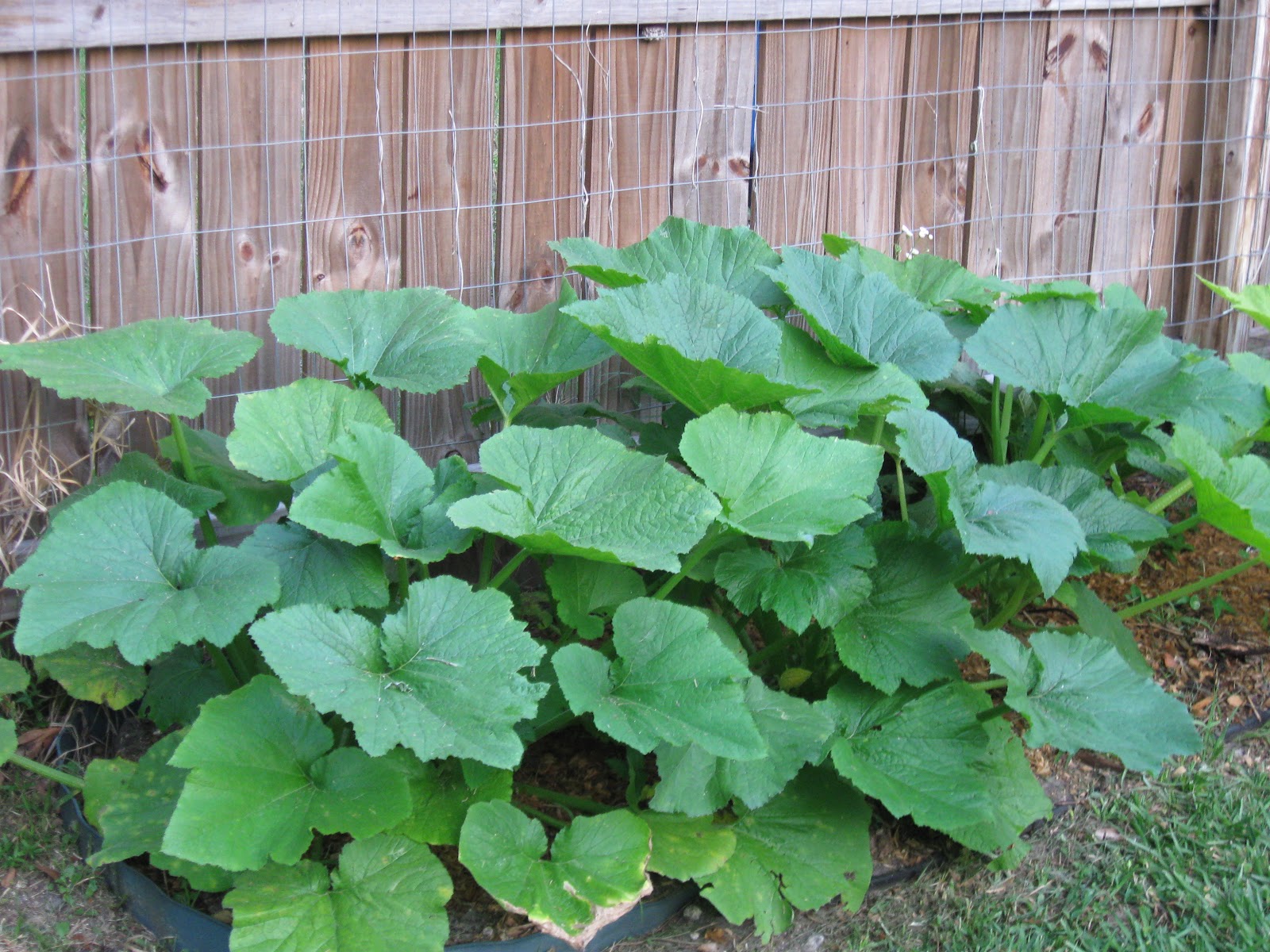
Squash survived the borer attack with the help of aluminum foil and is ready to start showing some nice fruit as well.


And of course, some sun flowers for the faithful chickens:


But back to the original question: what can we plant in April? It would be seriously stretching it to start even warm weather vegetables, such as tomatoes and peppers, from seed now. It will be simply too hot for them to survive and produce in the dog heat of June and July. You could still seed some beans now (I like Kentucky Wonder), as well as cow peas, okra, and plant sweet potato slips.

If I was just starting a brand new garden now, knowing what I know now, I would concentrate on building the soil. If you are in that situation, just get yourself a few containers of tomatoes and peppers from the box store and keep them in some dappled shade - for the feeling of accomplishment of your gardening efforts. But to prepare for the fall season planting, start getting as much plant material as you can get and build your compost piles. I like a two-box method: you pile plant material in the first box until it gets about waist high, then water it about twice a week and turn when you can, and in about a month or so transfer the whole pile into the second box.


The original pile will be greatly diminished by breaking down, so the contents of the second box will be much smaller than the original. Keep filling the first box. Once again, when it gets to be waist high, empty the second box into the garden, and transfer the contents of the first box to the second one. And so on, ad infinitum. This is hard work, but very rewarding in the quality of your garden soil.

April 7, 2012

Yet another update on flaxseed and barley - getting close to harvest!

I knew that flax flowers in a beautiful baby blue, but have never seen it in real life. Now it is my chance to enjoy that beauty:


These pictures were taken about two weeks ago, and every day there are more and more flowers in the bed of flax. After the flower is fallen, which is about one day, a tiny mother forms, probably filled with seeds. I cannot wait till harvest, to get my own flax seed, for the next year's planting, as well as adding it to the salads.

Barley is going into seed (food!) as well. Most of the stalks have seed heads now. I tried to thresh a couple, but they were not ready yet. I have to be patient. Judging from the pictures of wheat harvesting, the whole crop should be yellow by harvest, seed heads and the plants themselves. So, for now, I will keep them watered, and my impatience in check.

March 8, 2012

Growing Dill in Florida

I love herbs. I love all of them, parsley, dill, cilantro, basil, rosemary, you name it. But dill is by far my favorite. For some reason dill is considered a sort of exotic herb in the supermarkets. Every time I see dill in Publix, I get blown away. It is like $3.50 for a few little twigs. Amazing.

Dill is very easy to grow. In my experience, it grows even better than parsley. Once you have dill in your garden, you will always have it, if you allow it to go to seed. Dill will re-seed itself in any available space, even on the lawn. Blooming dill is a picture of beauty and a great pollinator insect attractor:


I seed dill in succession, from October through March, and it responds well to that schedule. I have fresh dill for eight months of the year, except for the hottest moths; nothing survives our summers, except okra and cowpeas. But I am OK with having dill for the most part of the year, and it is easy to dry dill and use in your cooking. Here's "cutting" dill that was seeded in December or so, and will keep producing well for another month easily.


I also usually throw a bunch of dill seeds in between cucumbers and cabbage where it makes a nice companion plant. When cucumbers mature, dill will be grown enough for cutting, as well as growing in the shade of cucumber leaves to stretch the season.


Dill is not very demanding. It likes water and somewhat fertile soil. Other than that it is a very happy plant with a lot to give.

March 2, 2012

What can we plant in March in Florida?

Warm weather is here, and Florida gardeners are preparing for the summer harvest. All main warm weather vegetables (tomatoes, peppers, and eggplant) should be transplanted now.


Pepper Transplant

Unfortunately, it is too late to start tomatoes, peppers, and eggplant from seed. It usually takes about six weeks from seed to transplant size, and that will bring us to mid-April for transplanting; this is too late because May heat will be too brutal on the young plants. Big box stores carry transplants, these will do the job of providing summer vegetables. Mark your calendar to start the seeds in early August for the second Florida season of warm vegetables.


Tomato Transplant

Some vegetables can be still started from seed, these include cucumbers, squash, zucchini, corn, and beans.

Cucumber two weeks old from seed

Seed these directly into the garden and keep the soil moist all the way until the seedlings get established. Shade off young seedlings of cucumbers, they do not like direct afternoon sun or being dry at the roots.

My addiction to seeds brought upon a strange challenge. I was seeding a lot of vegetables and did not mark some of them. These seedlings came up and looked like a cucumber plant. But now I am at odds. It is quite a strange looking plant, so if anyone can identify it, please let me know in a comment. Otherwise, the mystery plant will have to produce the fruit to uncover its nature and purpose.


Mystery plant - identified! Milk Thistle

You might also like: Picnic Time Gardener Folding Chair with Tools


February 28, 2012

Growing Small Grains in Florida - Update

Late January I seeded some Flax and Barley as an experiment on growing small grains in Florida. This was my first time ever trying to grow these unusual vegetables. With little to lose I devoted about forty square feet of my garden to these grains. To my surprise and pleasure, both are doing extremely well so far. Here's flax:


Flax is an interesting plant. It is very upright and grows in a small footprint leaving a rosette of leaves behind. I think it is ready to set buds and flowers, at least that's how it looks to me from this close-up. Granted, it takes about three months to get to harvest, and we are only at the end of month one.


Here's the wall of barley. Another sturdy plant, it likes moisture and cool temperatures. The ones at the south edge of the bed are yellowing out a bit, but the rest are doing pretty well.


I also threw down a handful of bird-seed mix. I did not bother to remove the sunflower seeds from the mix and was punished for my laziness. Sunflowers overpowered every other plant in the mix, so now I basically have just a sunflower crop. But that is not a big issue, I will see how these sunflowers produce. I read somewhere that people who have bird feeders always have "free" sunflowers growing. That is not a bad problem to have.


In any event, even though it is not a tradition to grow grains in Florida, it might work on a small scale to produce organic low-gluten grain for food, as well as good compost material from their leaves and stems.

February 23, 2012

Medicinal herbs in Florida garden

I have to admit, I am a seed junkie; there is no cure. All my garden space is already spoken for, but I am continuing starting new seeds. And if that was not so bad, I am continuing to buy new seeds. Recently, I received a Bountiful Gardens catalog and just had to order some more seeds. Among others, two medicinal herbs caught my attention. First, calendula. It is a beautiful orange flower that attracts pollinators to the garden, as well as dry flowers make aromatic tea that is supposed to be anti-inflammatory, anti-fungal, anti-bacterial and fever-reducing. Sounds like a perfect tea for a cold. I seeded calendula in a nursery container, and a short two weeks later replanted them into the individual cups. The seedlings are very sturdy, so it looks like they would do well direct seeded into the garden:


The next herb is Black Cumin. According to the ancient wisdom, it "cures everything but death". Now, how can you resist planting something like that. The seeds are what you consume to cure everything, so it sounds like an ideal spice, aromatic and health-promoting. These seeds took about ten days to come up, they are not ready to be replanted yet, so I would say, it takes quite a few seeds to direct seed into the garden because there will be losses.


And finally, just by accident, reading an article in Mother Earth magazine, I learned that there is a strain of Hibiscus that if brewed into tea, is a blood pressure lowering agent. Who can resist that! I ordered these seeds from Amazon and seeded them tonight into the nursery container. They like warmish temperature, so now is a perfect time to plant them. These are supposed to be annual, we shall see. In Florida though, annuals might become perennials if not killed by frost.


Now, the best part about herbs and flowers is that they don't have to be planted in a separate part of the garden, but rather inter planted with other vegetable crops. Doing it this way promotes pollination, attracts beneficial insects and beautifies the garden. It's a win-win.
 

Florida Gardening

Florida Gardening Blog

Visitors from all over the world

Grow Your Own Food

Grow your own food, be independent, healthy and happy.