Social Icons

Showing posts with label Vegetable: Cucumber. Show all posts

May 20, 2016

Natural Plant Supports in the Garden

Moving away from the conventional. Towards natural, easy, less-work. Evolving.

When I just started gardening, about ten years ago, I joined the league of hardware store customers, buying plant supports, stakes, cages and other inventions, and then installing and removing these contraptions every gardening season. It is a lot of work.

Ideally, in my "ultimate" garden there will be no outsiders. Plants would thrive together relying on each other's community-valuable qualities, among which is the ability to support climbers.

Another thing to mention, is that in Florida we don't have to worry about "full-sun" requirements. If anything, there is too much full sun in the Summer, and for the most part in the Winter too. Shade is welcome in Florida gardens. And with shade come trees. Yes, it is beneficial to have trees in the garden.

Cucumbers are cool-loving plants. Naturally, we would want to start them from seed when the last frost had passed, something around the end of February. But in doing so we are inviting cucumber borers whose season coincides with this traditional cucumber planting time. Should we wait longer, and it is too hot for the cucumbers to thrive.

This year I experimented with seeding cucumbers in April, under the trees. Turns out this was a smart decision.


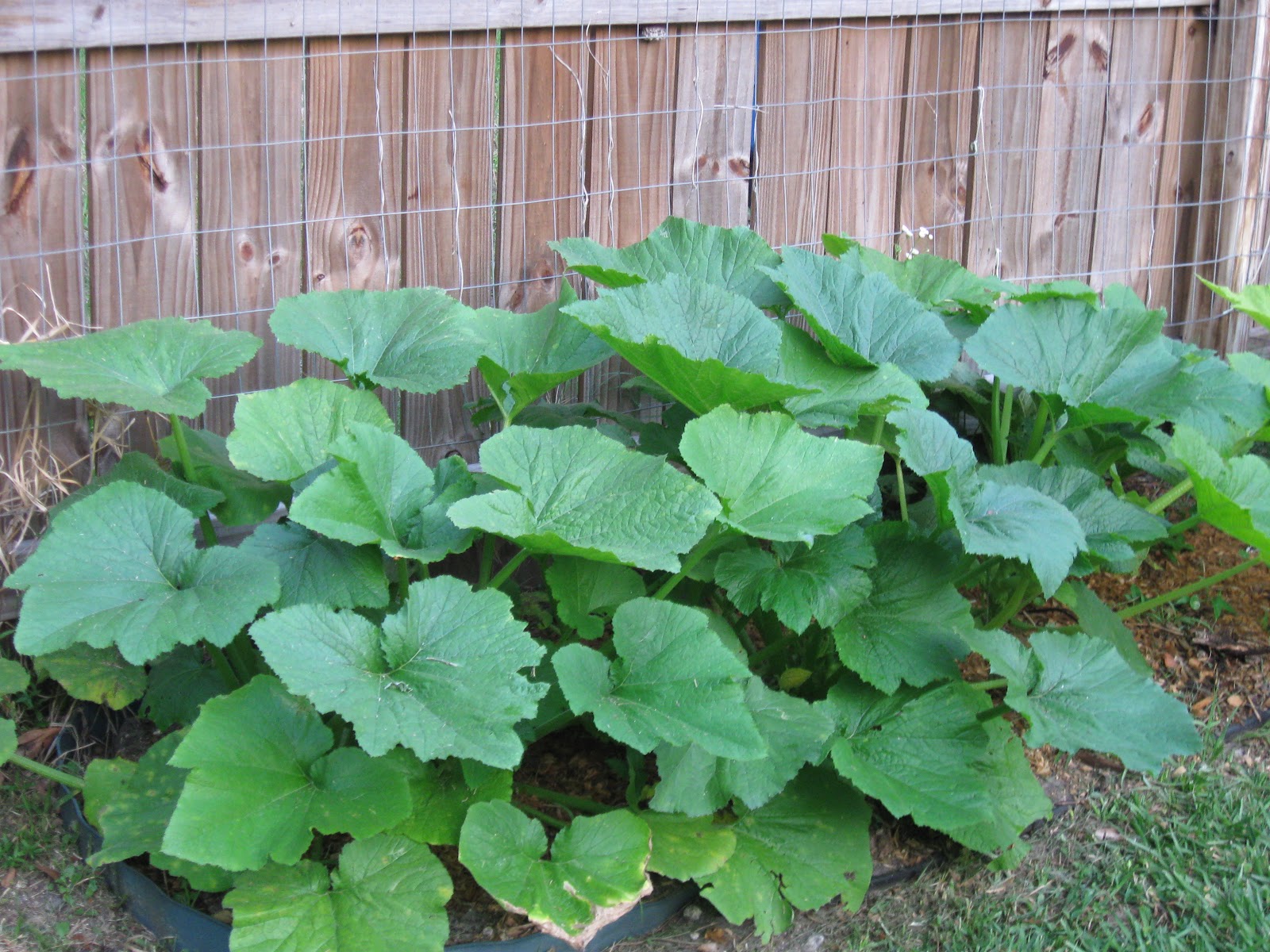
Here's five cucumber plants living happily in the same container under a wax myrtle tree. Even if I step outside now and the air temperature is in the 90's, it feels much cooler next to the fence under this tree. Cucumber does not seem to mind not having "full sun". On the opposite, it likes cool moist ground, plenty of small branches to grab on, and dappled shade.

The wire around the plant is to protect it from my ducks. If you don't have other two-legged hooligans in the garden, you don't need the wire.


This is very encouraging. And I will continue experimenting and seeding cucumbers under other trees throughout the summer. 

A side note - I believe planting in containers next to the trees is the way to go, versus digging the hole next to the tree roots. An additional benefit to having a container is that when you water the plant, some water will trickle down to the tree roots and feed the tree.

P.S. This cucumber is Sumter. I love this strain, it is tasty and resilient.


April 9, 2012

What can we plant in April in Florida

In April we are getting close to be done with the cool weather season crop and are getting ready for the warm weather harvest; so all in all, April is a very fruitful month. My garden is in full bloom and glory, although in need of daily watering: the weather has been unusually hot and dry.


My favorite grape tomatoes are about my height now and are covered with blooms and tomatoes:


Cucumbers (Sumter) love climbing and producing some nice cukes, but need daily watering:


Squash survived the borer attack with the help of aluminum foil and is ready to start showing some nice fruit as well.


And of course, some sun flowers for the faithful chickens:


But back to the original question: what can we plant in April? It would be seriously stretching it to start even warm weather vegetables, such as tomatoes and peppers, from seed now. It will be simply too hot for them to survive and produce in the dog heat of June and July. You could still seed some beans now (I like Kentucky Wonder), as well as cow peas, okra, and plant sweet potato slips.

If I was just starting a brand new garden now, knowing what I know now, I would concentrate on building the soil. If you are in that situation, just get yourself a few containers of tomatoes and peppers from the box store and keep them in some dappled shade - for the feeling of accomplishment of your gardening efforts. But to prepare for the fall season planting, start getting as much plant material as you can get and build your compost piles. I like a two-box method: you pile plant material in the first box until it gets about waist high, then water it about twice a week and turn when you can, and in about a month or so transfer the whole pile into the second box.


The original pile will be greatly diminished by breaking down, so the contents of the second box will be much smaller than the original. Keep filling the first box. Once again, when it gets to be waist high, empty the second box into the garden, and transfer the contents of the first box to the second one. And so on, ad infinitum. This is hard work, but very rewarding in the quality of your garden soil.

September 12, 2011

Update on September Garden

Most of warm season vegetables should be in the ground now. These are tomatoes, peppers and eggplant.


Eggplant and Peppers
  
Tomatoes
   Cucumbers and squash can be still seeded if they are of the early variety, no more than 60 days maturity dates.
Cucumbers

Young squash
Squash is ready to be transplanted.

August 14, 2011

Germinating cucumber seeds in containers

August and March are the prime time to seed cucumbers. While it is usually advised to seed cucumbers and squash directly into the garden, because these plants have a long tap root, I prefer to germinate them in small containers or styrofoam cups. If you work as well as have family obligations, it is easy to neglect cucumber seeds who need constant moisture to germinate.

Usually gardeners complain that cucumber seeds are not germinating, while not giving these seeds the optimum environment. Cucumbers need to be seeded at the most a quarter inch below the surface and kept constantly moist to germinate. Old seeds might not germinate, and by old I mean over three years old. The smaller the seed, the less storage time they have.

I like my germination to be controlled, that is, I know how many seeds I seeded and how many plants germinated. If we put the seeds directly into the garden, some valuable time and space can be wasted while waiting needlessly for the plants to sprout.

I usually put one seed per cup of Miracle-Gro potting mix, and water from the bottom so that the soil is moisturised throughout:


It is very difficult to provide these ideal conditions when seeding directly into the garden. Granted, if you are seeding a lot of plants, container method would be too time-consuming. But for the home gardener who plants maybe six or ten cucumber plants container method is actually easier and less stressful.

The trick to planting cucumbers from containers is not to let them grow too large. Unlike tomatoes or peppers where we wait for the first true leaves to appear before replanting, I replant cucumbers just as soon as first seed leaves are large enough, usually a couple of days after sprouting, but before even the first true leave appears. This will ensure that the tap root had not yet a chance to develop thus not hindering the young seedling development. This is the stage I replant cucumbers and squash into the ground:


In August it is still excruciatingly hot, so plant these young ones where they have afternoon shade. If there is no such spot in your garden, shade them with a shade cloth or whatever concoction you can master so the tender seedlings do not dry out in a scorching sun.

On a last note, keep them watered twice a day, morning and afternoon, and provide some support for them to grab on. Seed again in about two weeks, and then again, second week of September. This schedule will ensure not only that you will have some crop, but some continuous crop as well.
 

Florida Gardening

Florida Gardening Blog

Visitors from all over the world

Grow Your Own Food

Grow your own food, be independent, healthy and happy.